Our products are designed to deliver vibrant, long-lasting colors with a focus on innovation, sustainability, and customer satisfaction.
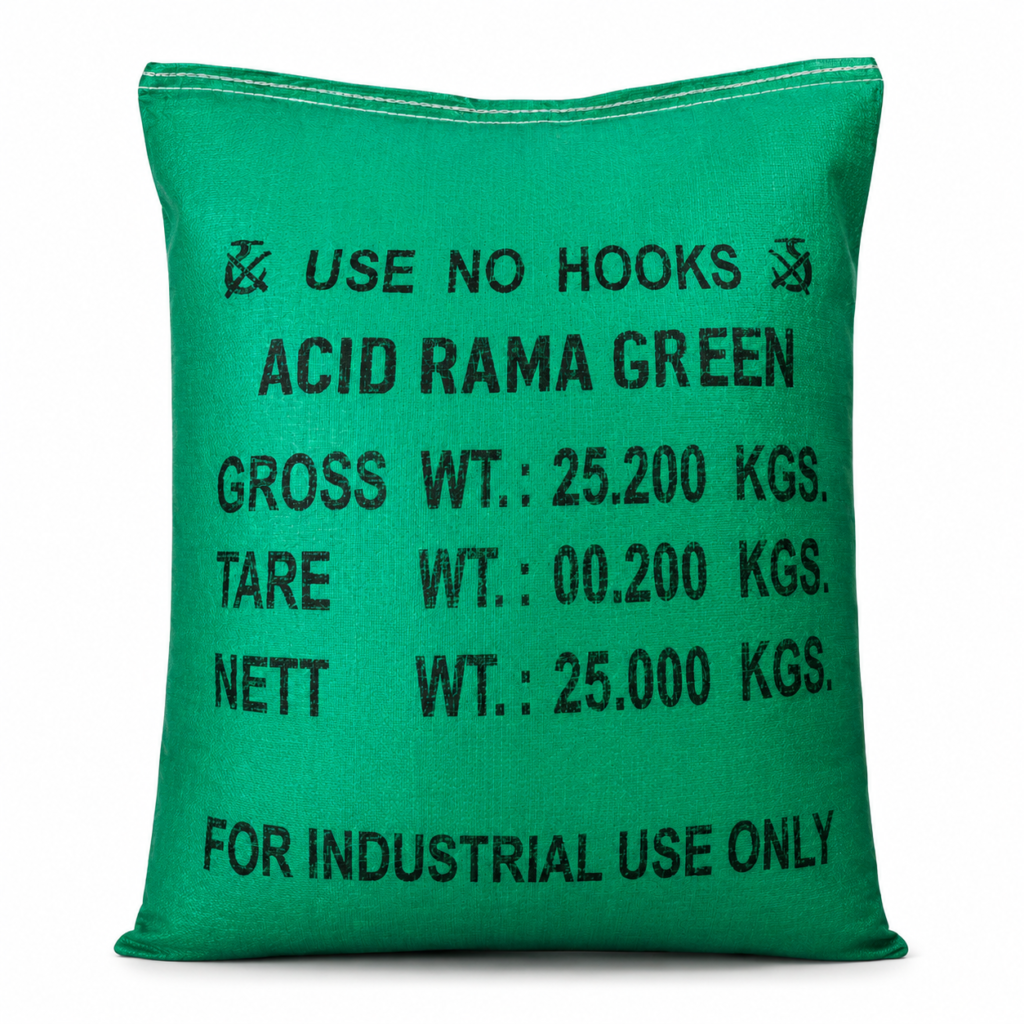
Acid dyes are water-soluble anionic (negatively charged) dyes used primarily on protein fibers like wool and silk, as well as synthetic polyamide fibers like nylon. Chemically, they are typically sodium salts of organic acids, such as sulfonic or carboxylic acids.
Basic dyes are cationic (positively charged) colorants that exhibit a strong affinity for substrates with a negative charge. They are the primary choice for dyeing synthetic acrylic fibers, modacrylics, and certain modified polyesters, where they form durable ionic bonds with anionic functional groups.
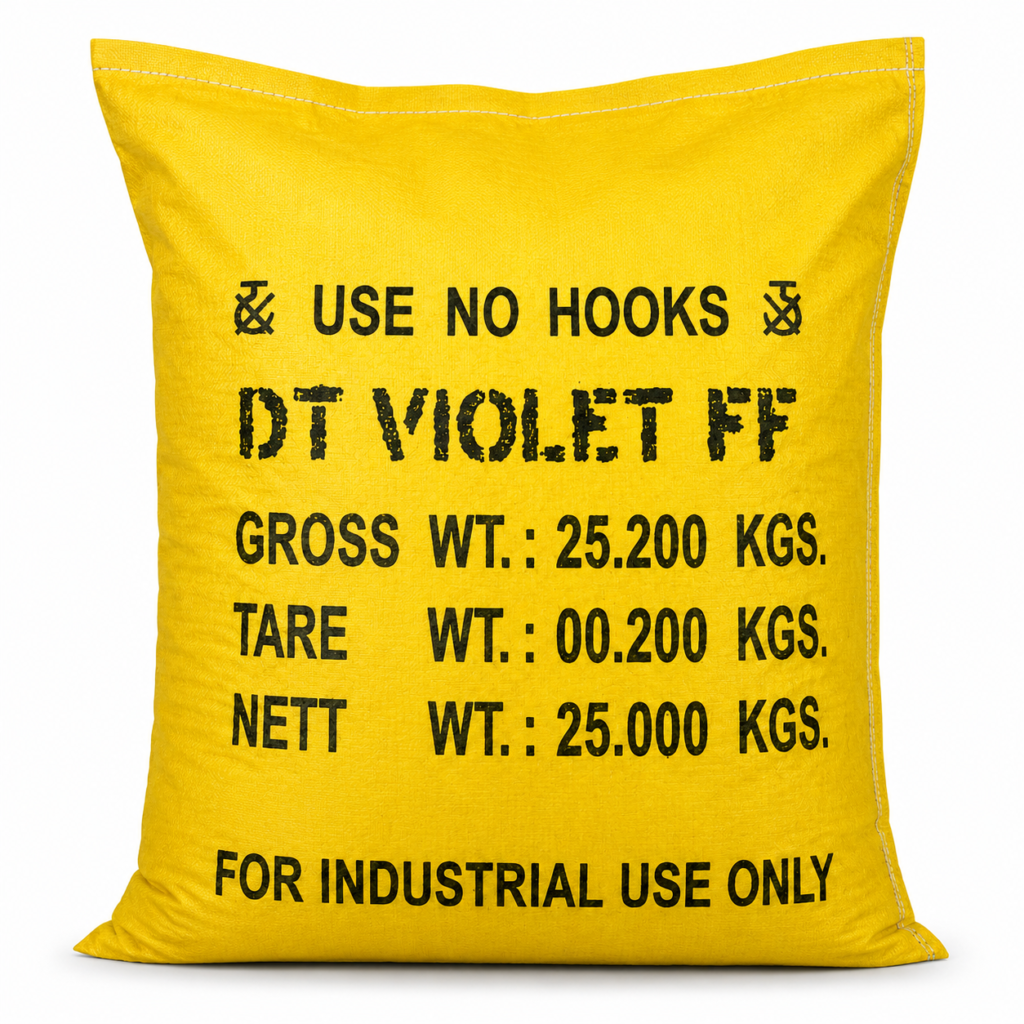
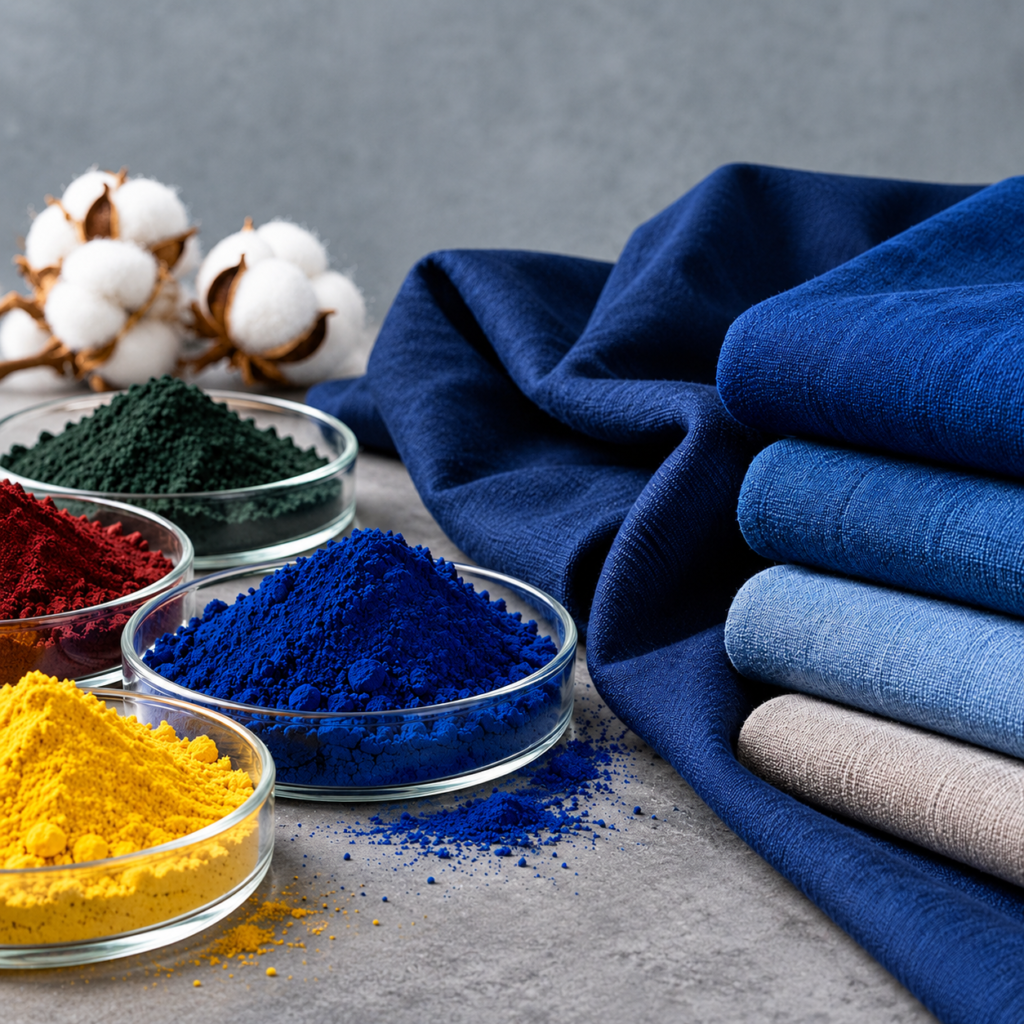
Direct dyes, also known as substantive dyes, are water-soluble anionic compounds that can be applied directly to cellulosic fibers like cotton, linen, and rayon without the aid of a chemical mordant. They possess a long, planar molecular structure that allows them to align parallel to the cellulose chains
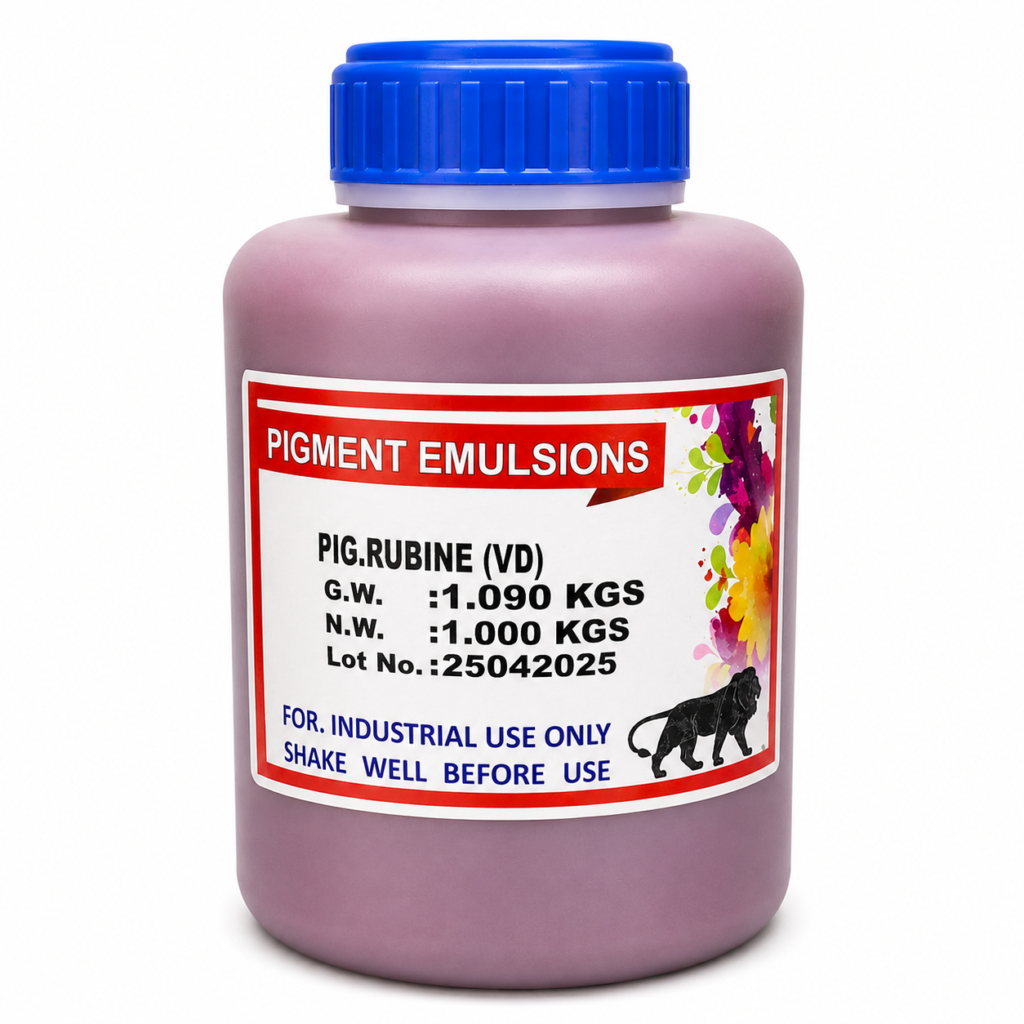
Pigment emulsions are highly concentrated fluid dispersions of microscopic, insoluble organic or inorganic color particles suspended uniformly in an aqueous medium with the aid of surfactants and dispersing agents
Nylon dyes do not represent a single, unique chemical class, but rather a functional selection of existing dye categories tailored to optimize the coloring of nylon (polyamide) fibers.
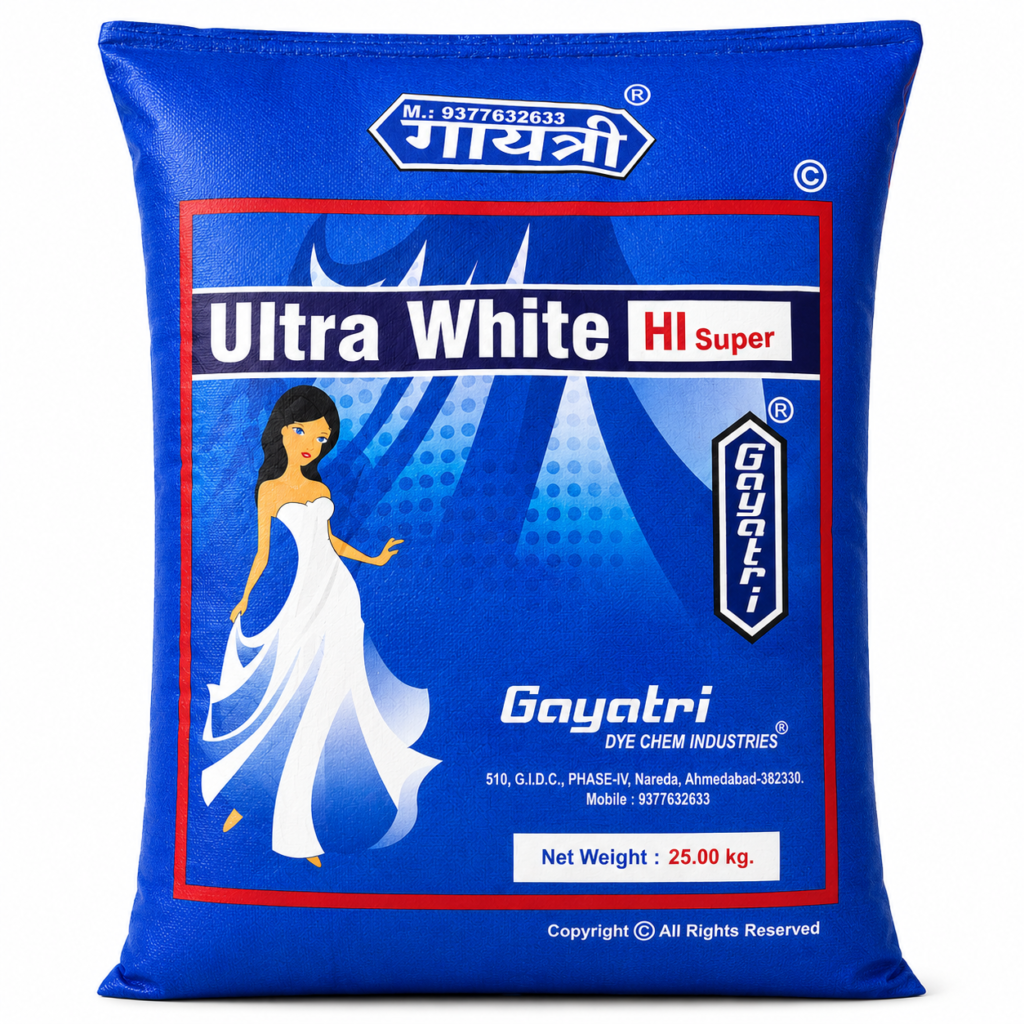
Optical Whitener, also known as Fluorescent Whitening Agents (FWAs), are specialized colorless or weakly tinted chemical compounds applied to textiles to enhance whiteness.
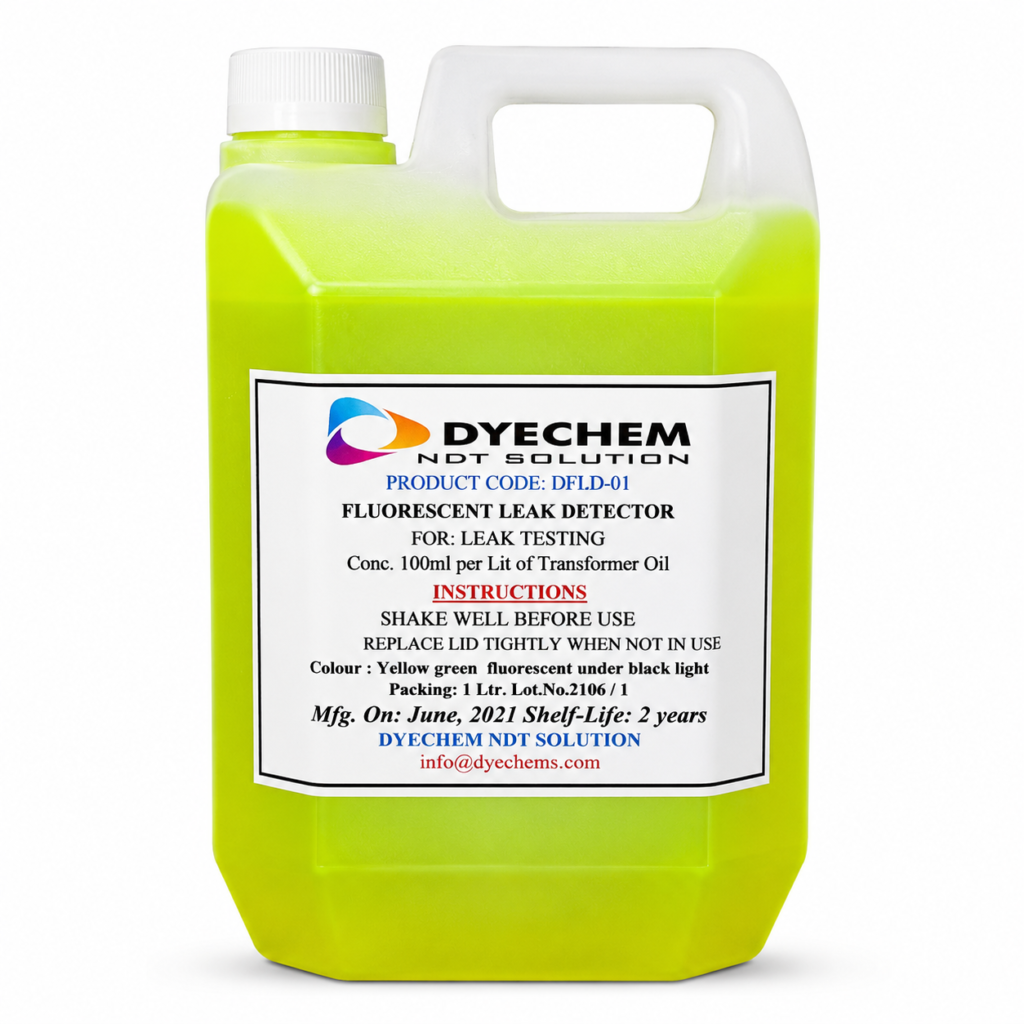
Fluorescent dyes, frequently referred to in the apparel industry as neon, daylight fluorescent, or luminescent dyes, are specialized organic compounds…
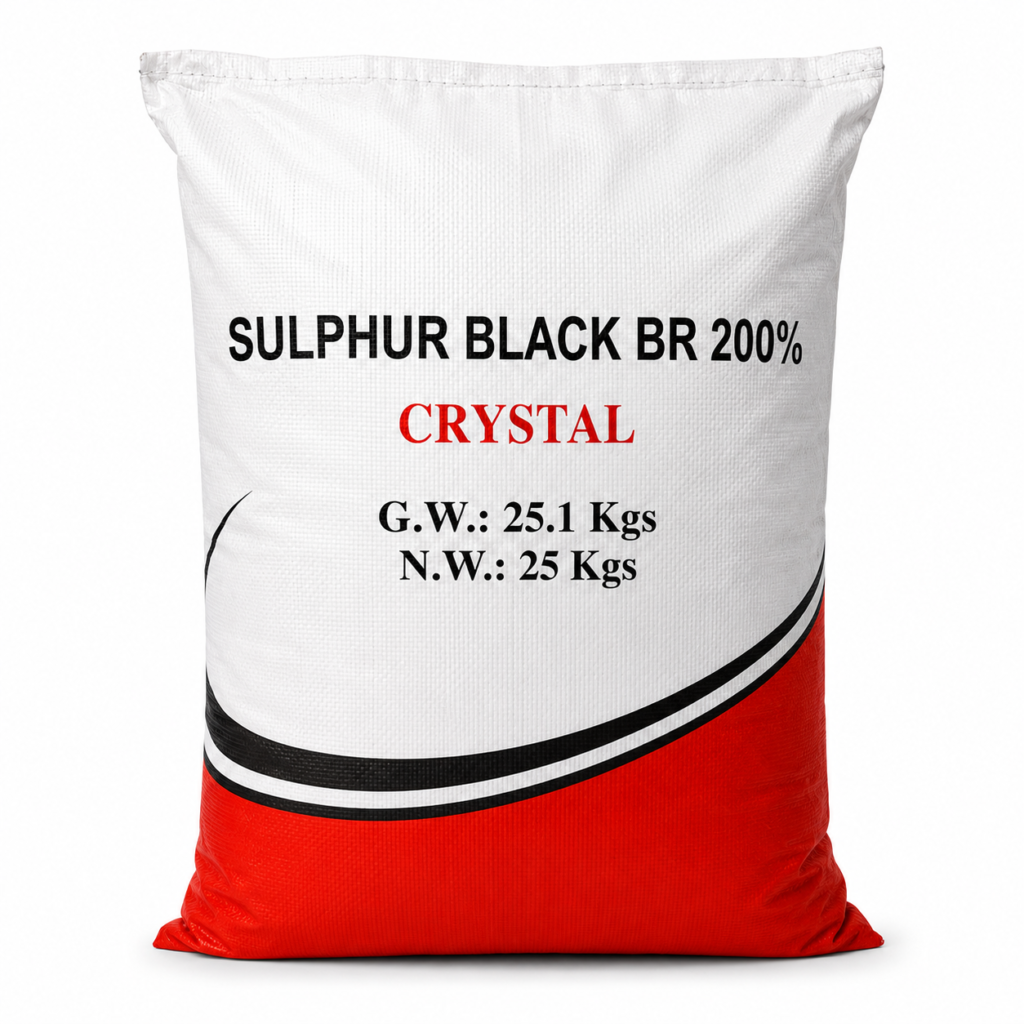
Sulphur dyes are complex, organic macromolecular compounds containing sulfur linkages that are completely insoluble in water. They are highly valued in the textile industry as an economical choice…
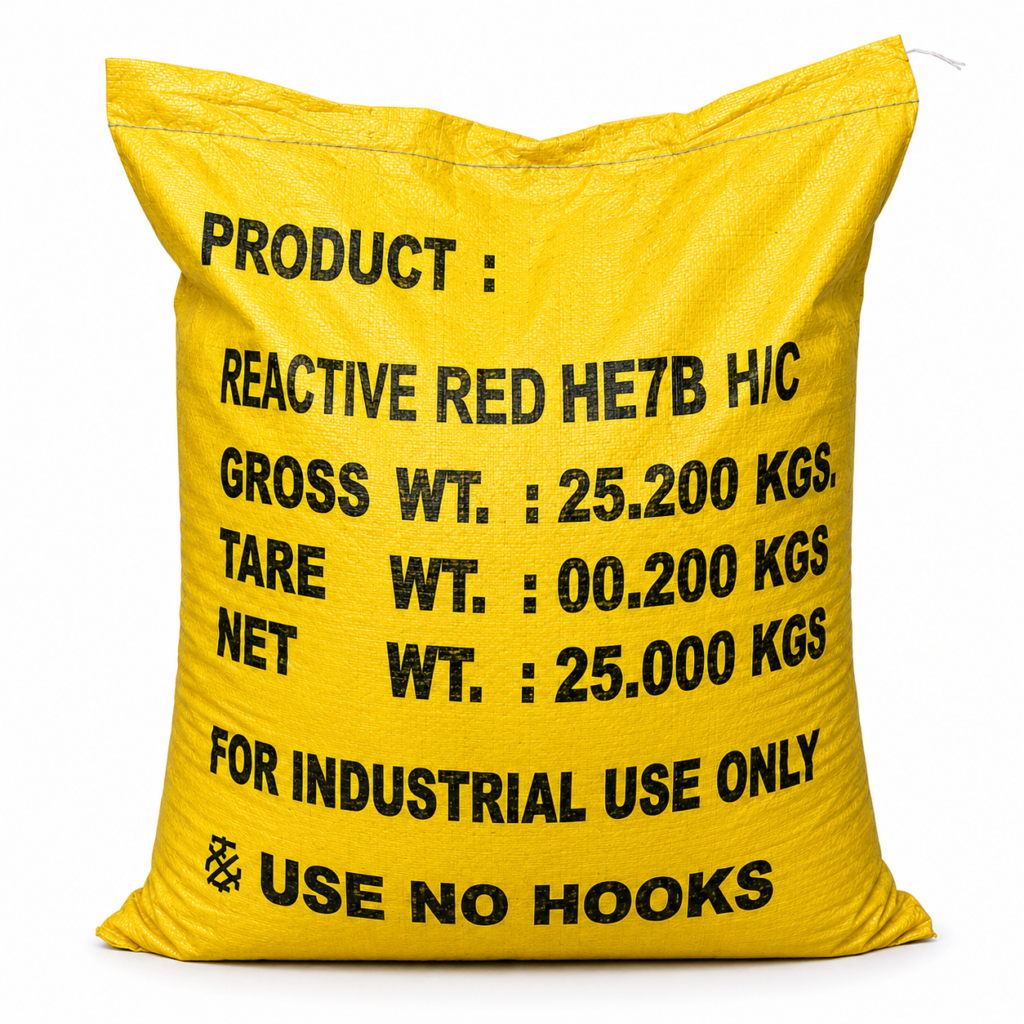
Reactive dyes represent the most versatile and widely used class of colorants for cellulosic fibers like cotton, viscose, and linen. Unlike dyes that rely on physical entrapment or weak intermolecular forces,
Vat dyes are ancient, water-insoluble colorants, with indigo and anthraquinone being the most famous historical and industrial examples. Because they cannot dissolve in water, they cannot be applied directly to fabric.
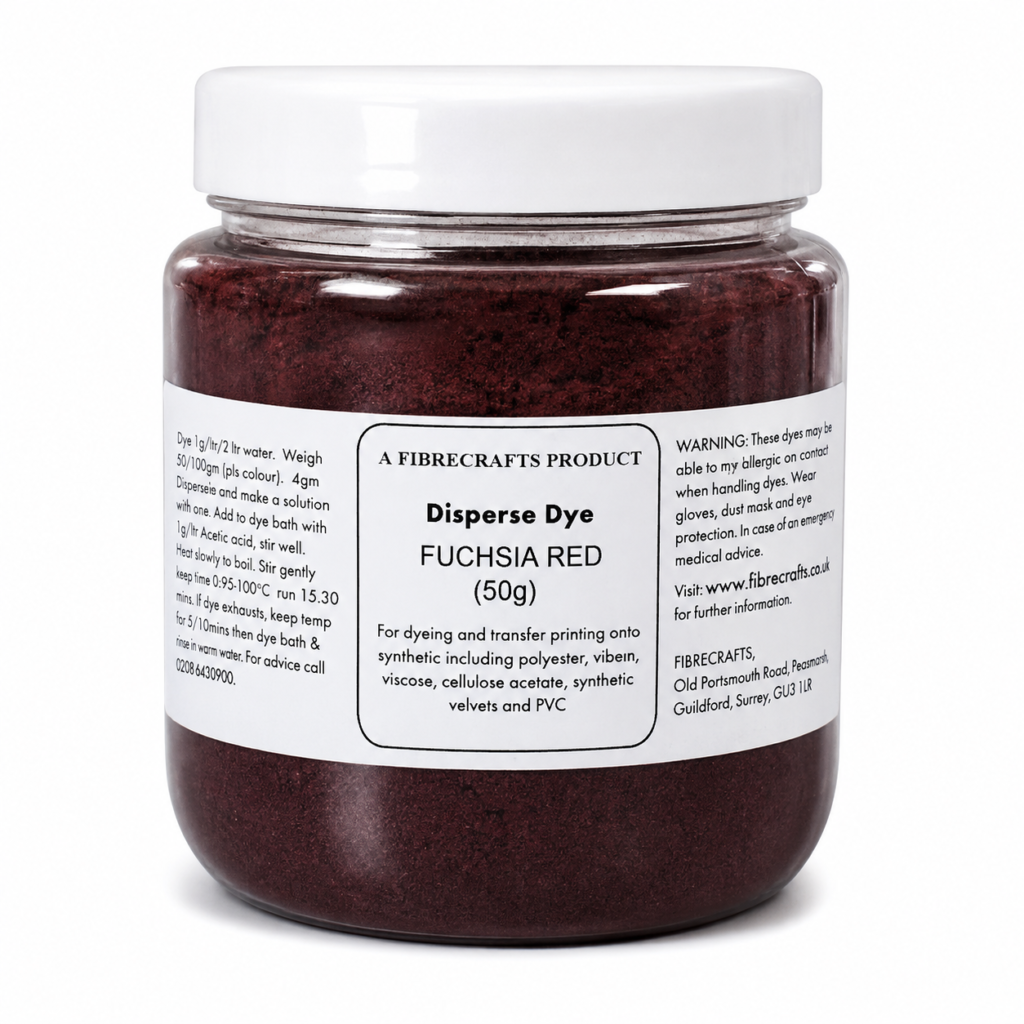
Disperse dyes are non-ionic, water-insoluble aromatic compounds specifically engineered for dyeing highly hydrophobic synthetic fibers, most notably polyester, nylon, and acetate.
In textile pigment printing, binders and Khadi paste are fundamental chemical components used to apply color without chemical affinity. A binder is a clear, film-forming elastomeric polymer emulsion (typically acrylic, polyurethane, or vinyl-based) that acts as a structural glue.
Textile dyeing auxiliaries are a massive, diverse category of formulated chemicals added to processing baths to assist, accelerate, or stabilize the dyeing and printing workflows. Dyes alone rarely produce uniform results; auxiliaries are the operational agents that ensure commercial success.
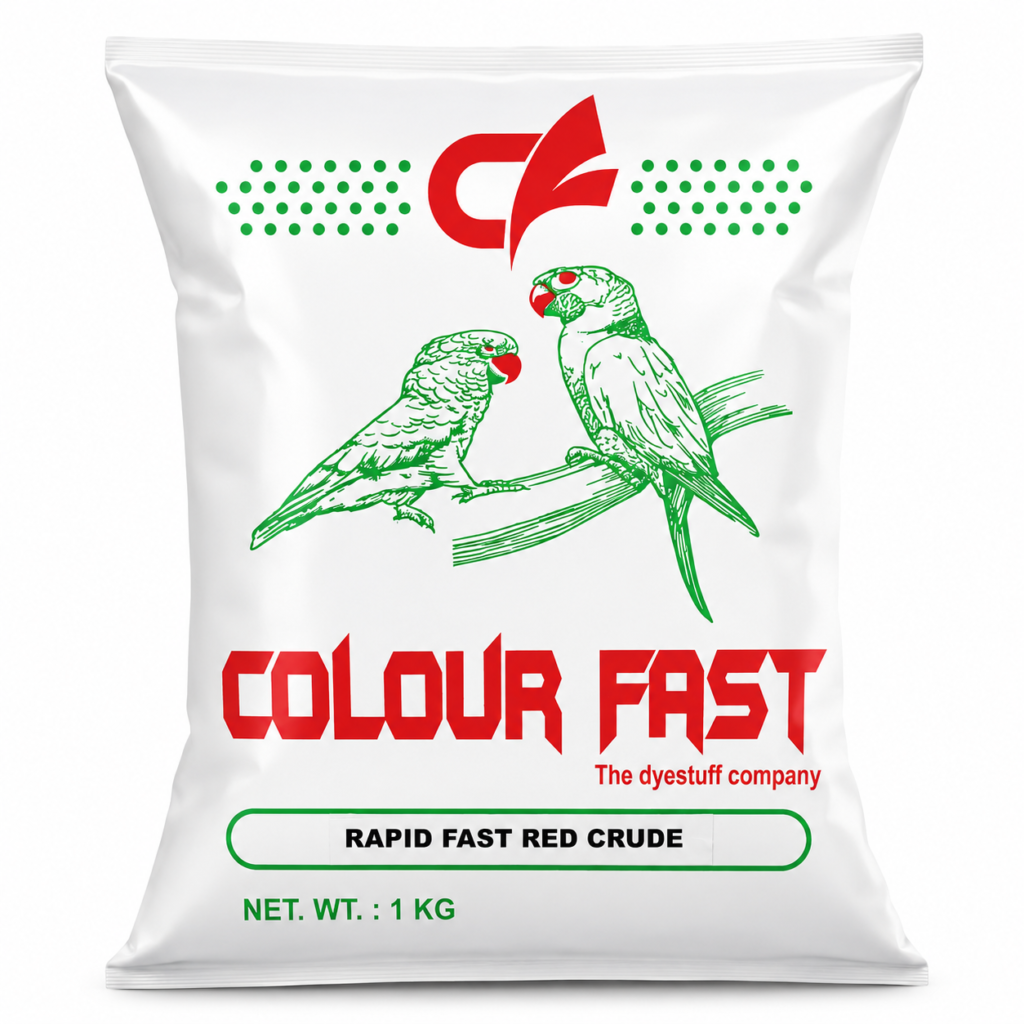
Rapid Colour is a commercial, historical classification for stabilized azoic printing compositions used to generate vibrant, insoluble azo dyes directly inside textile fibers during printing. Instead of applying a pre-made dye, Rapid Colour pastes contain a precisely engineered,
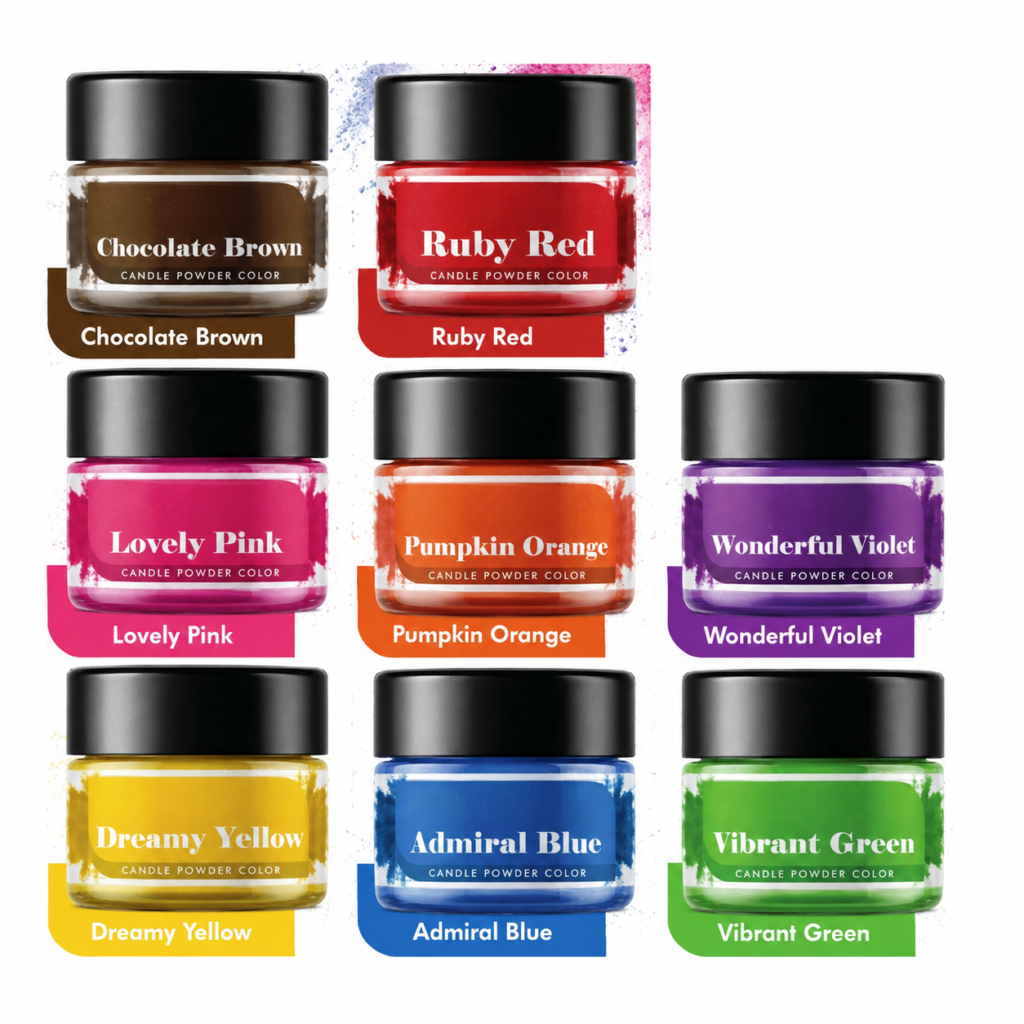
In industrial and artisan textile processing, “Wax Colour” refers to the specialized chemical and mechanical application of molten waxes used as a resist medium in the traditional art of Batik dyeing. The process does not involve a dye made of wax; rather, a precisely formulated blend of paraffin wax
Plastisol is a heavy-duty, thermoplastic screen-printing ink widely utilized in the garment decoration industry for printing graphic designs onto t-shirts and fleece. Chemically, it is a 100% solid formulation consisting of fine, microscopic polyvinyl chloride (PVC) resin particles completely suspended in a liquid plasticizer matrix, accompanied by pigments and stabilizers.
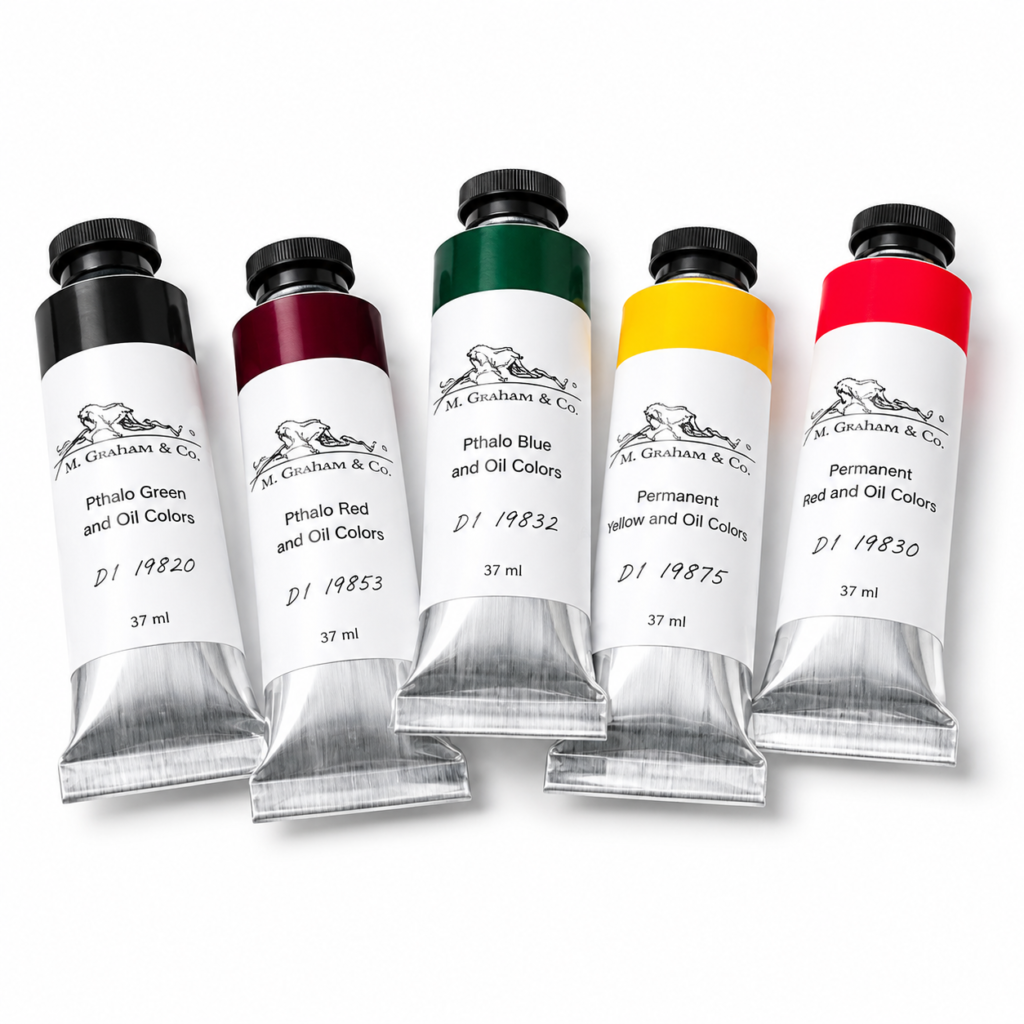
In industrial textile processing and chemical finishing, standard fine-art oil paints are completely impractical because their drying oils oxidize far too slowly and cure into a rigid, brittle layer that ruins the fabric’s tactile quality. Instead, the term “oil colour” in commercial textiles refers specifically to solvent-based inks, fat-soluble solvent dyes,
Vinay Dyes & Chemicals is a trusted wholesaler, and stockist of high-quality textile dyes and specialty chemicals, offering a wide portfolio of over 400 products for textile and industrial applications.
1028, Gali Teliyan, Tilak Bazar, Delhi, 110006
Copyright © 2026 All rights reserved Vinay Dyes & Chemicals. Designed & Developed by Haven Digi Tech.